C0ffee Ground Zer0
Designed and Developed By

In Collaboration With
In Collaboration With


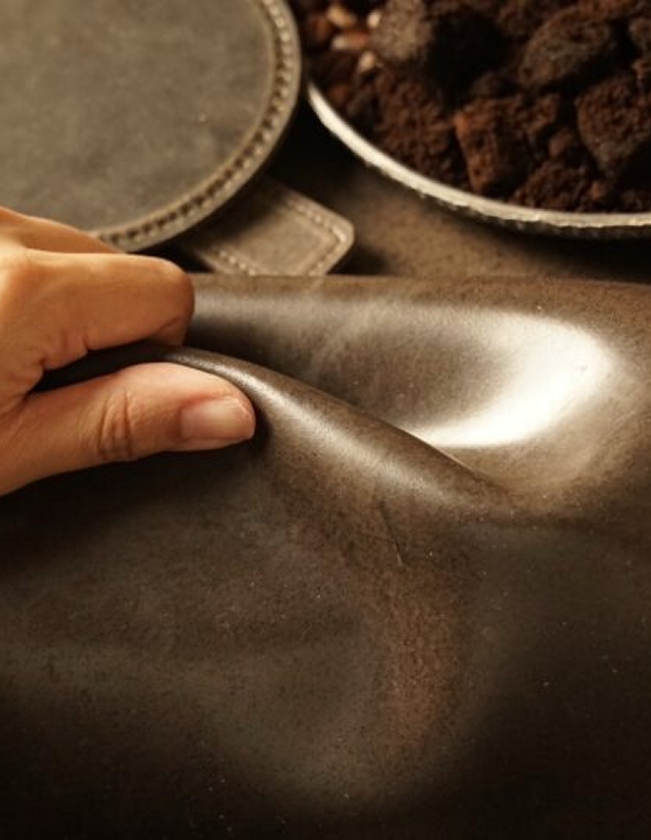
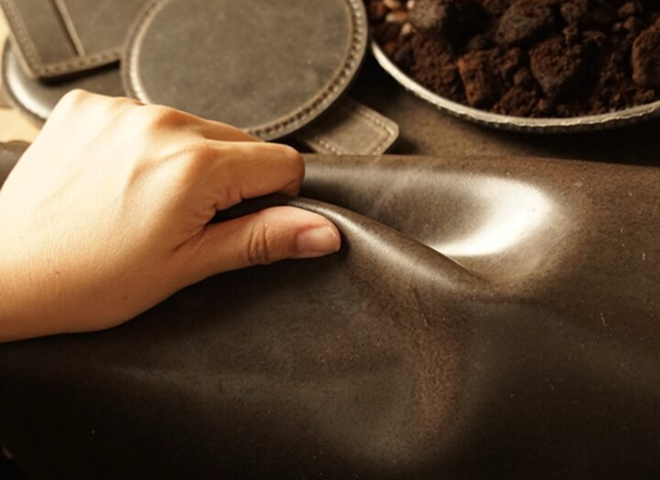
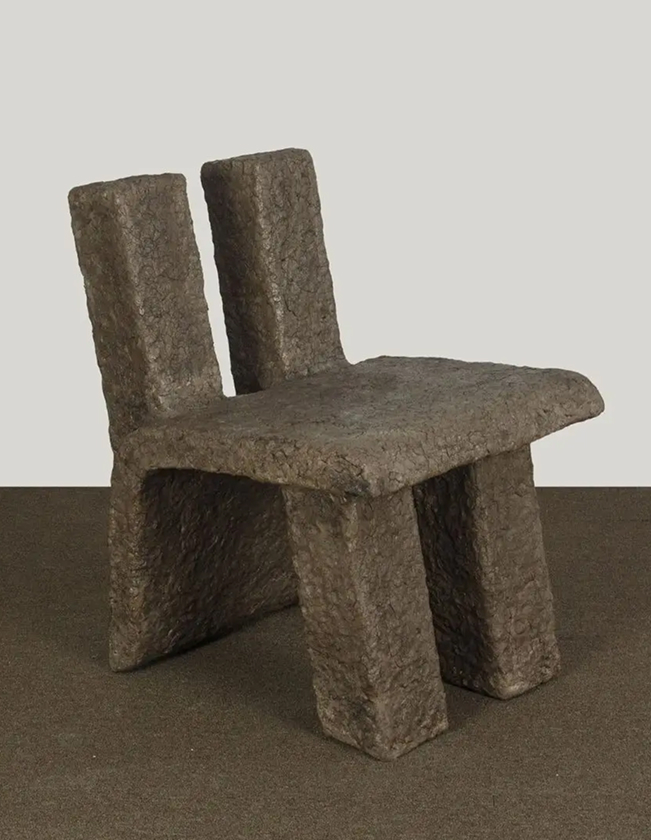
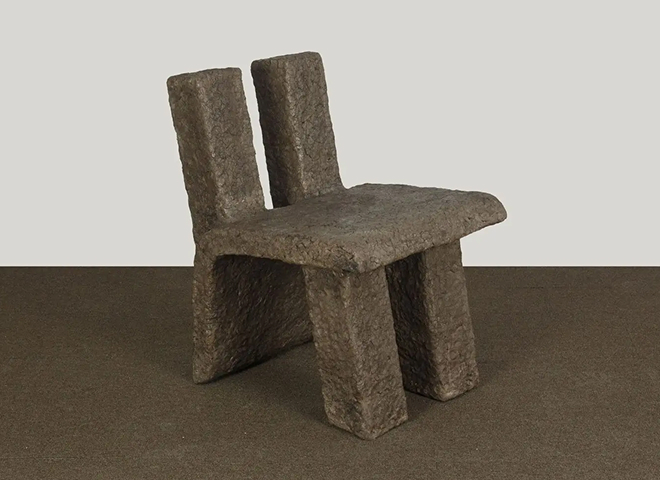
Bangkok produces over 100,000,000,000 grams of coffee waste each year. Left untreated, it adds to pollution and landfill overflow. Coffee Ground Zero shows how small daily choices, starting with your coffee, can turn waste into compost, urban farms, and a greener city.
Pause Before
You Toss
Coffee Grounds in
Landfills Release
Greenhouse Gases
Thrown-away coffee grounds decompose in landfills, releasing methane, a potent greenhouse gas that drives climate change.
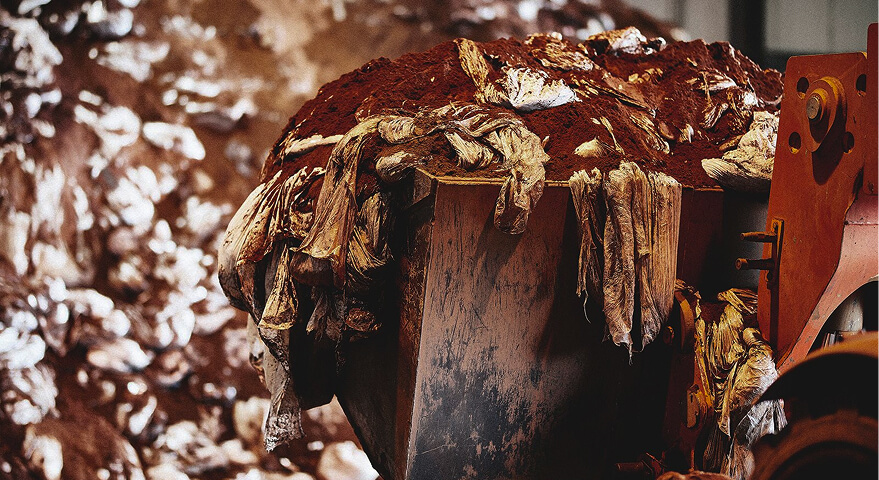
Photo by CNN, 2020. read more
Coffee Grounds Can
Harm Soil and Water
if Mismanaged
Without proper treatment, coffee waste can leach harmful compounds into soil and water, harming ecosystems.
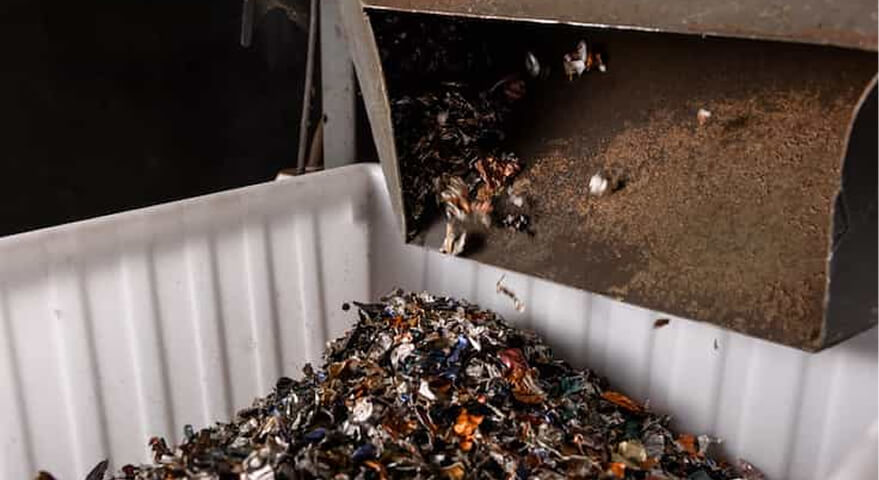
Photo by Nespresso, 2019. read more
Coffee Grounds Are
Valuable Resources,
Not Waste
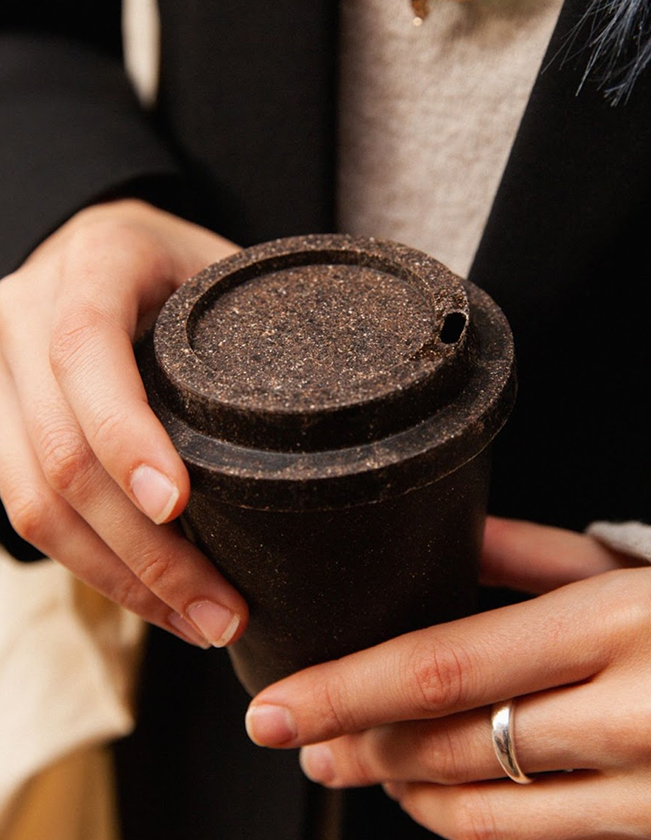
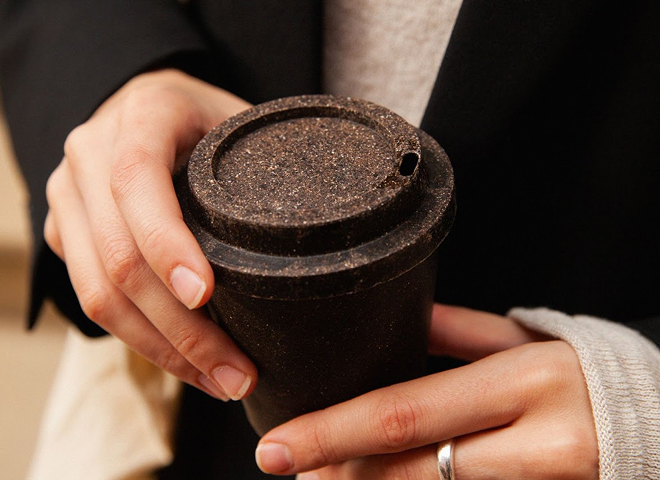
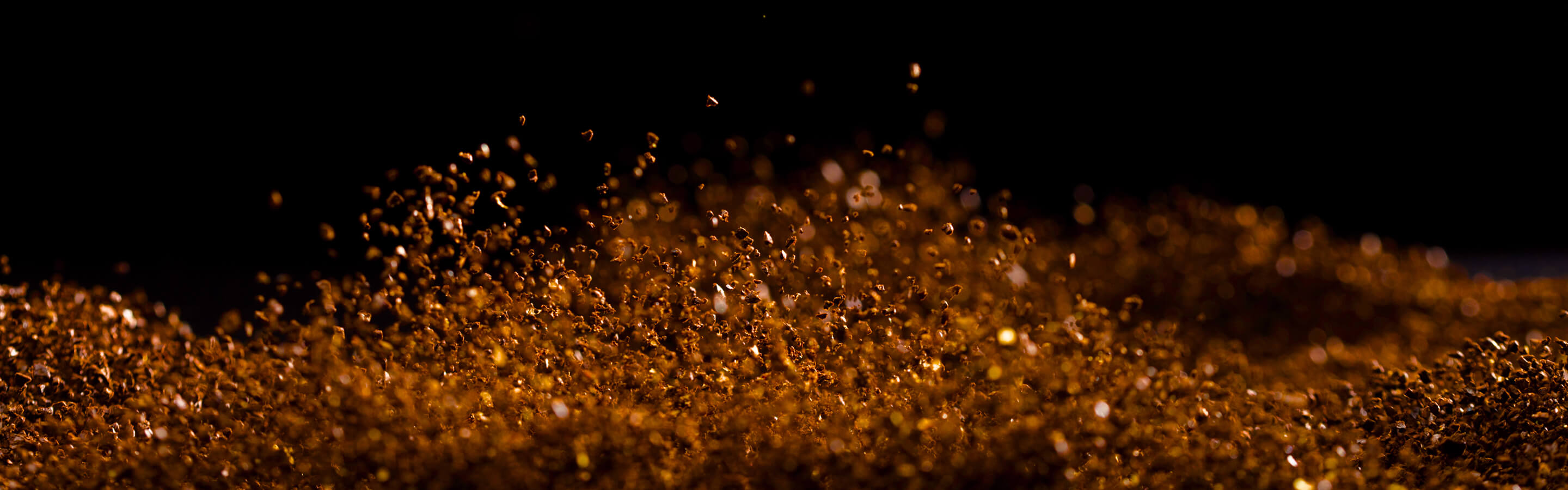
Coffee grounds are nutrient-rich and can be turned into compost, urban farming inputs, and other circular solutions.
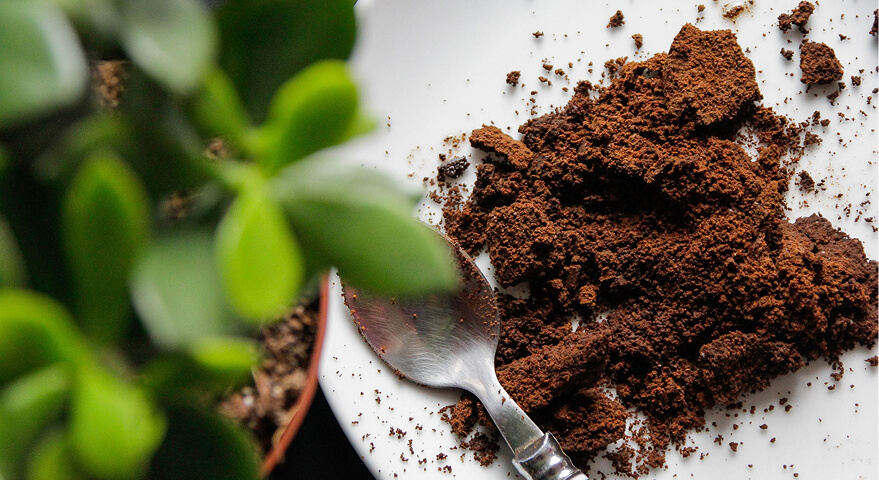
Photo by Mirror, 2025. read more
Begin Your
Coffee
Ground Zero
Gather your used coffee grounds. Make sure they are cool and free of any leftover liquid to avoid mold.
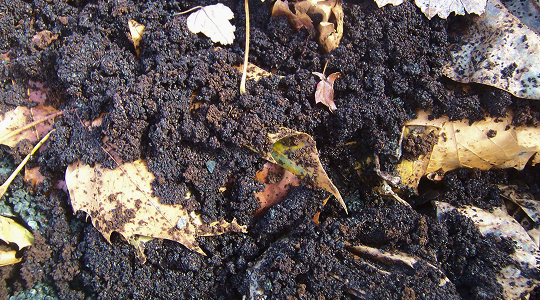
Combine the coffee grounds with dry materials such as leaves, shredded paper, or cardboard.
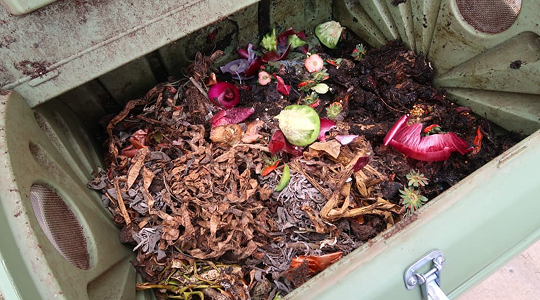
Place the mixture in your compost bin or pile, layer with other organic waste to help it break down.
Keep it moist and turn occasionally to speed up decomposition and prevent odors.
Your compost is ready when it is dark, crumbly, and smells earthy.